
Understanding Giftedness: Why You Should Consider Testing Your Child
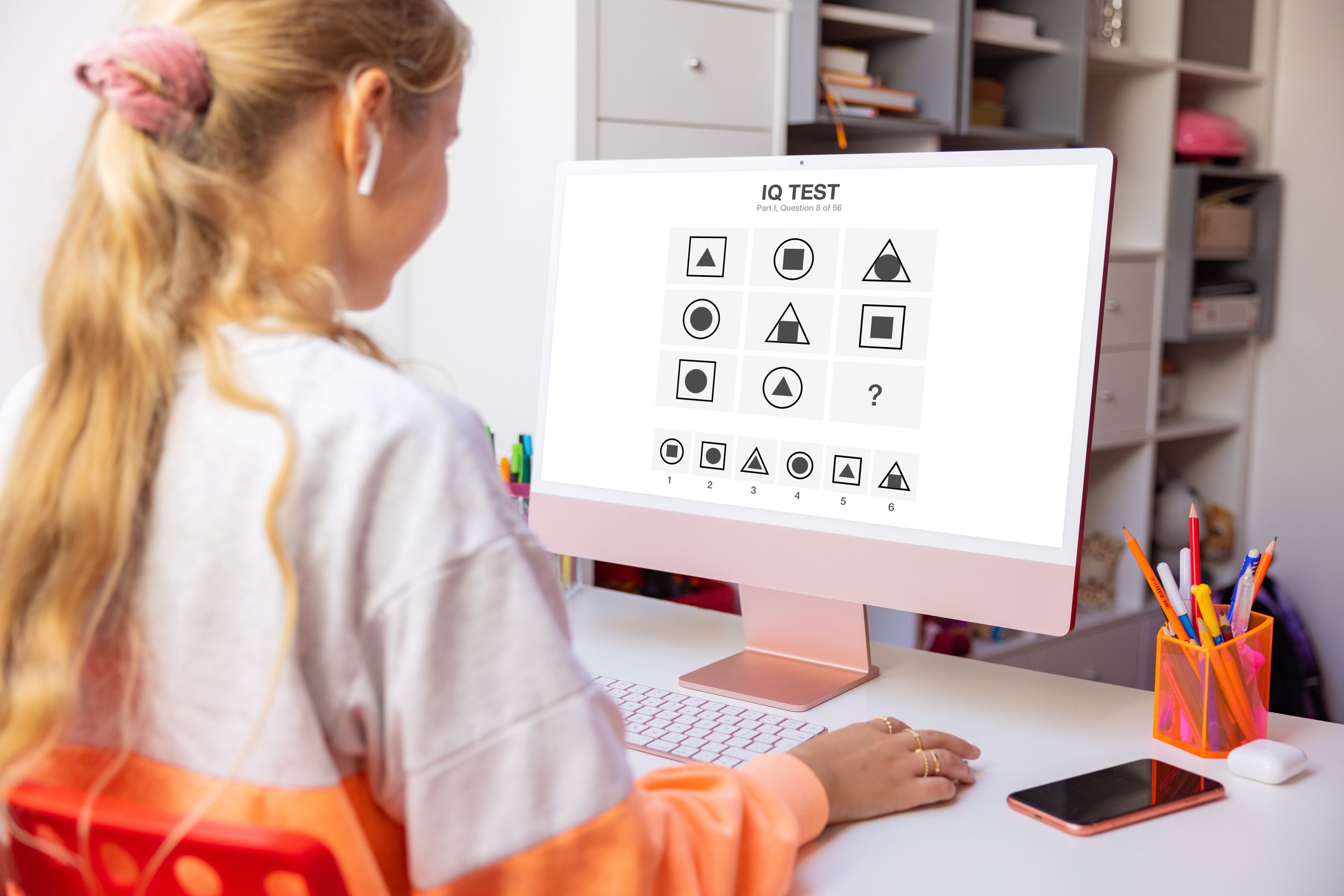
Every child has unique strengths, talents, and ways of learning. For some children, these strengths may indicate giftedness — a level of intellectual ability significantly above average. Recognizing giftedness early can open doors to tailored educational opportunities, emotional support, and a fulfilling learning experience.
If you’re wondering whether your child might be gifted and whether testing is necessary, this guide will help you understand what giftedness means, why assessment matters, and how it can benefit your child’s growth.
What Is Giftedness?
Giftedness generally refers to exceptional intellectual ability, creativity, or talent in one or more areas such as academics, arts, or leadership. Gifted children often:
Learn quickly and with less repetition
Display intense curiosity and a love of learning
Think abstractly and solve problems creatively
Show advanced vocabulary and communication skills
Demonstrate deep focus and passion for specific interests
However, giftedness is complex and varies widely between children. Some may excel in one area while struggling in another, and many gifted children can also face challenges like perfectionism, social difficulties, or boredom in school.
Why Testing for Giftedness Matters
A formal giftedness assessment provides a clear understanding of your child’s abilities and learning profile. Here’s why testing can be so valuable:
Tailored Educational Support
Schools often require formal identification before providing specialized programs or enrichment opportunities. Testing can help ensure your child receives learning experiences that match their intellectual level and keep them engaged.
Understanding Strengths and Challenges
Gifted children may also experience asynchronous development — meaning their intellectual abilities outpace emotional or social maturity. An assessment can highlight these differences, allowing parents and educators to support the whole child.
Boosting Self-Esteem and Confidence
Children who know their strengths and talents often feel more confident and motivated. Testing can validate their experiences and help them understand their unique way of thinking.
Identifying Twice-Exceptional (2e) Learners
Some gifted children have learning disabilities or attention challenges (known as twice-exceptional). Assessment can help identify both strengths and difficulties, so appropriate interventions can be put in place.
What Does a Giftedness Assessment Involve?
Giftedness testing typically includes:
Intelligence Testing: Standardized IQ tests that measure verbal, reasoning, and processing skills.
Creativity and Problem-Solving Tasks: Activities to assess innovative thinking.
Achievement Tests: Evaluations of academic skills like reading and math.
Behavioral and Social-Emotional Assessments: Understanding how your child interacts with others and copes with challenges.
Parent and Teacher Questionnaires: Gathering insights from adults who know your child well.
The assessment results offer a comprehensive picture of your child’s abilities and needs.
Signs Your Child Might Benefit from Giftedness Testing
Consider an assessment if your child:
Learns new concepts rapidly and with little effort
Asks thoughtful, complex questions
Shows intense focus on specific topics or hobbies
Becomes easily bored or frustrated in school
Exhibits strong creativity or leadership skills
Demonstrates emotional sensitivity or perfectionism
If you notice these traits and wonder how to best support your child, testing can provide clarity.
How Testing Can Help Your Child Thrive
Once giftedness is identified, families and educators can work together to:
Provide challenging and engaging learning opportunities
Offer social-emotional support tailored to gifted children’s unique needs
Advocate for accommodations or enrichment programs in school
Encourage hobbies and interests that foster creativity and growth
Early identification and support can help gifted children develop confidence, resilience, and a lifelong love of learning.
Final Thoughts
Giftedness is a wonderful gift, but it also comes with its own set of challenges. Testing your child for giftedness is not about labeling, but about understanding, celebrating, and nurturing their potential. If you believe your child may be gifted, a professional assessment can be a key step toward helping them thrive both academically and emotionally.
If you’d like to learn more about giftedness assessments or how to support your gifted child, feel free to reach out for guidance tailored to your family’s needs.